

Many organizations mistake busy activity for productive progress and it's costing them more than they realize.
Hilani Ellis - Talent Strategist, Advisor, Author
Strengthening How Leaders and Teams Work
The way we work tomorrow will require something different. Yet many organizations are still operating with habits and beliefs built for a different era.
The belief is to add more: more meetings, more technology, more people, more processes. But what if the next advantage isn't found by adding more at all?
Often, one of the greatest opportunities isn't “more“, it's improving now the return on the people, time, and effort already in play.


A Short List of Past Partnerships




Who is Hilani?
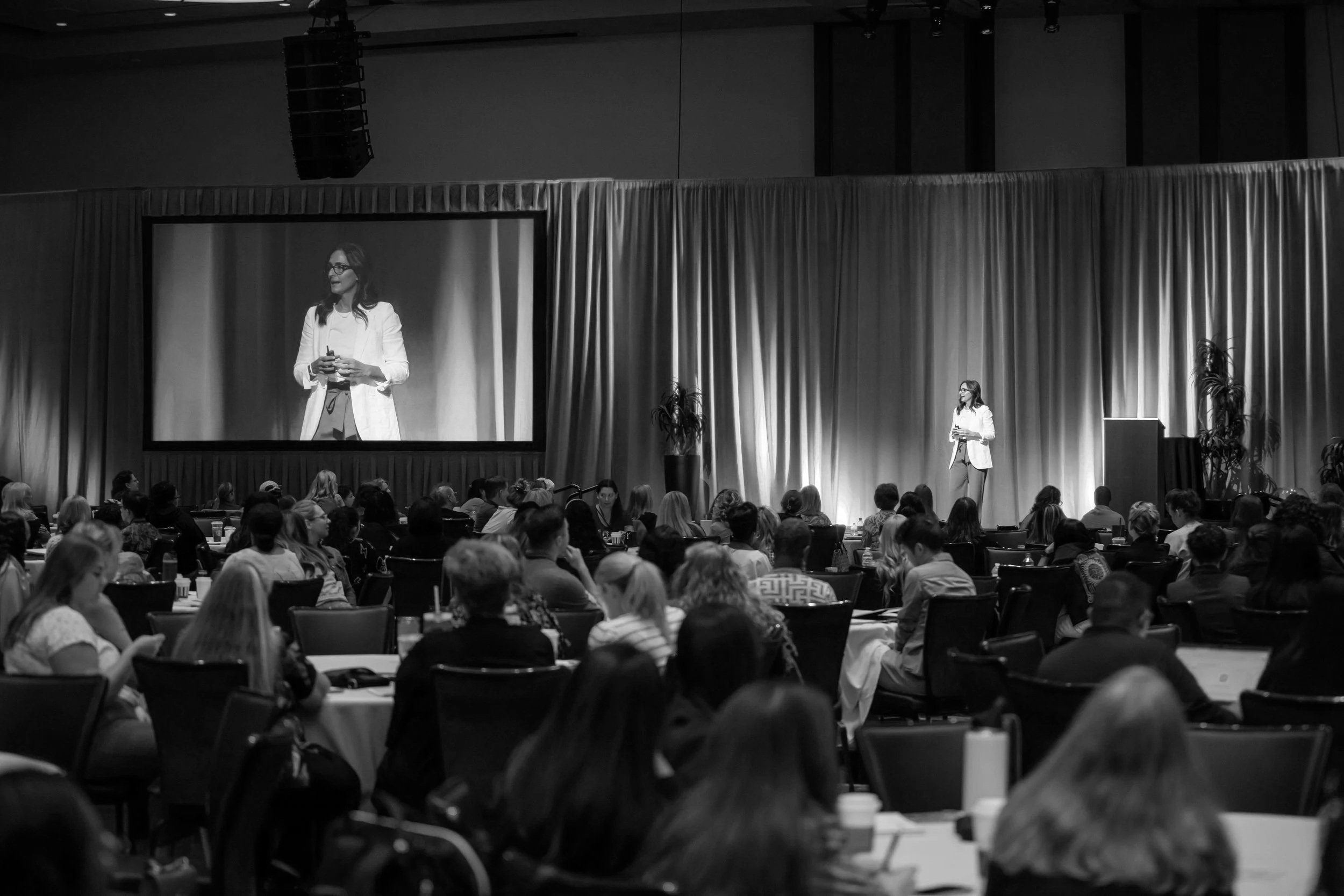
Hilani’s work began over two decades ago. Through the years, she’s had direct access to high-performing executives, gaining a rare, behind-the-scenes look into how exceptional people think, work, and make decisions. Her direct access revealed one realization that became impossible to ignore: many executives and teams are working with outdated habits and beliefs.
Today, she partners with organizations through workshops, executive hiring, and talent strategizing to help them generate a greater return on the people, time, and effort already in play.
What Others are Saying…
Ideas Worth Exploring
A collection of ideas helping organizations strengthen how leaders and teams work.
-
Many organizations mistake activity for productivity. Discover why the distinction matters and how it influences the way leaders and teams work. Explore More →
-
A practical way to evaluate where time and effort create the greatest return, helping leaders rethink how productivity is achieved. Explore More →
-
Sustainable productivity begins by understanding the limits that shape people, teams, and organizations, optimizing what is already in play. Explore More →
"The future of work won't be defined by how much more organizations can add, but by how well they improve what's already in play." — Hilani