
Productivity Theater: When Looking Busy Replaces Real Progress
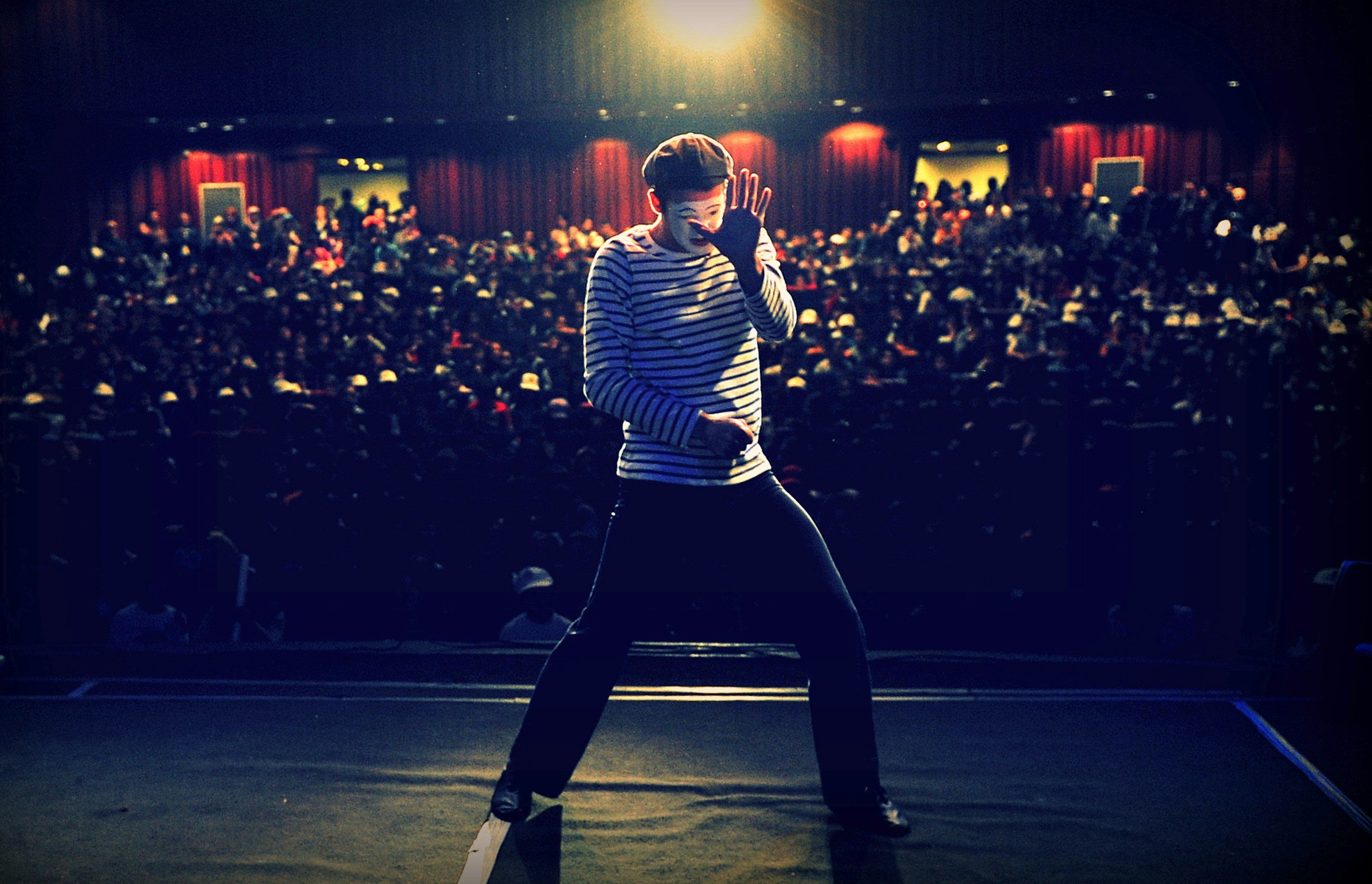
Productivity theater is costing everyone progress and revenue problems.
A new survey from Visier reveals that 83% of employees admit to “performative work” — tasks that look productive but don’t move the business forward.
Responding instantly to every message. Sitting through meetings that don’t require your input. Scheduling emails for visibility.
It’s called productivity theater — and it’s costing organizations more than they realize.
The Hidden Cost of “Performing” Productivity
Visier’s research found that employees spend up to 1.25 days a week on work that shows effort, not outcomes. For many, it’s not intentional. It’s cultural.
When leaders reward visibility over value, people adapt their effort to match appearances. The result: effort spent maintaining optics rather than advancing results.
Why It Happens
Pressure to “look busy” often stems from outdated work structures — unclear priorities, reactive communication, and overbooked calendars. These conditions push employees to fill time rather than focus effort. That’s a capacity issue, not a commitment issue. People aren’t disengaged; they’re overloaded by systems that make performative work easier than productive work.
Remodeling Productivity
This is exactly where my work on remodeling productivity begins. Organizations can’t fix productivity theater with new tools or policies. They need to restructure how work happens — where effort flows, how meetings function, and create a unique definition for what “productive” truly means at their organization and on their team.
When we remodel productivity, teams learn to:
Prioritize outcomes over optics.
Redesign meetings for decisions, not attendance.
Clarify communication so responsiveness doesn’t replace results.
True productivity is measured by movement, not motion.
The Leadership Opportunity
Leaders set the tone. When you shift from asking “What are people doing?” to “What progress are we making?” you dismantle the culture of productivity theater.
That shift builds capacity — the ability to achieve more with the same fixed resources — and creates workplaces where visibility comes from impact, not activity.
Now What?
If your team is showing signs of productivity theater — lots of activity — it’s time to step back and assess where effort is actually going.
That’s exactly what my Time Economics Workshop helps teams do.
In this 3-hour interactive session, teams learn together how to:
Identify where time and effort are being misallocated.
Replace busywork with strategic, results-driven activity.
Align meetings, communication, and priorities to create measurable gains.
The goal isn’t to do more — it’s to do better with the time you already have.
If your organization is ready to minimize performative productivity, this workshop will help your better leverage time, better redirect effort, producing valuable productivity gains.
📖 Consider grabbing my book, Capacity: The New Advantage, to begin the process on your own.