
The Future CEO Advantage: Why Strong Leadership Requires Strength in Both Body and Mind
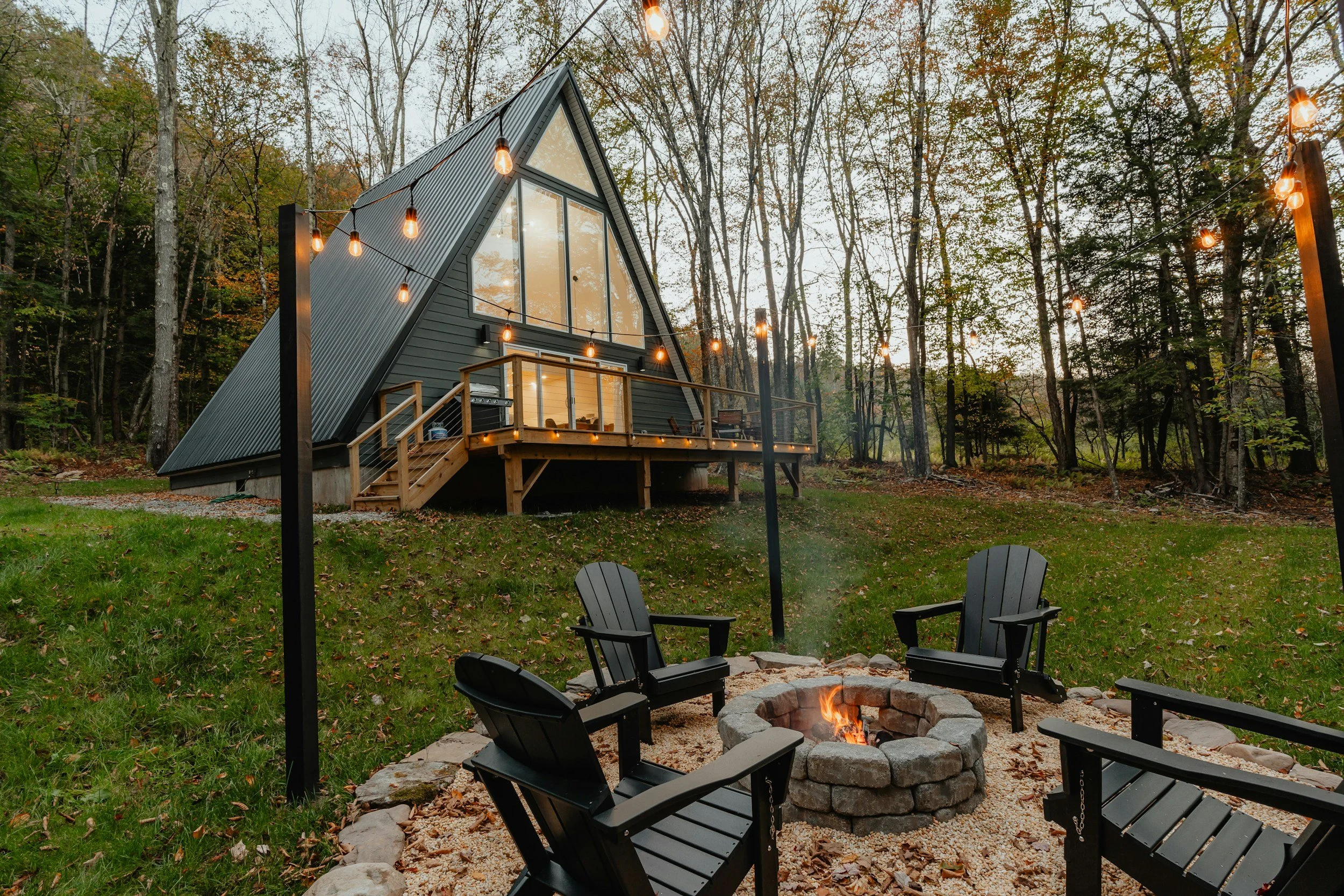
Teams are disconnecting to reconnect.
What 2026 leadership predictions reveal about capacity, clarity, and sustainable decision-making.
As 2026 approaches, the C-Suite is facing a new kind of leadership demand, one shaped not only by strategy and innovation, but by the personal capacity required to sustain clarity, pace, and decision quality in an era of nonstop change.
Two recent sources point to this shift:
Forbes reports that 42% of CEOs believe their company will not be viable in 10 years without significant reinvention.
BOSS Magazine predicts that the future CEO, and C-Suite, must operate with greater self-awareness, emotional steadiness, and adaptability, not as a wellness preference, but as a performance requirement.
The message is clear:
Leading well now requires being strong in both body and mind.
Not for balance, but for better leadership.
What’s Really Holding Leaders Back? The Data Is Blunt.
The Forbes research reveals a deeper pattern affecting leadership capacity:
57% of U.S. executives say they’ve missed opportunities because decision-making is too slow.
41% of an employee’s day is spent on work that does not create value.
56% of CEOs see efficiency gains through AI, but only one-third see those gains reflected in profit.
These numbers point to a single truth:
Leaders are losing capacity, not because they lack skill, but because the way they work is unsustainable.
When leaders are mentally overloaded or physically depleted, effort misaligns.
Decision quality drops.
Momentum slows.
Teams absorb the fallout.
This is not a time management issue. This is a human capacity issue, and C-Suite is feeling it.
The 2026 CEO Needs Leadership and Team Durability
According to BOSS Magazine’s forecast for 2026 CEOs, the leaders who will thrive are those who demonstrate:
grounded self-awareness
emotional steadiness
the ability to regulate pressure
disciplined decision-making
personal habits that sustain clarity
These aren’t wellness trends. They are leadership competencies that determine effectiveness.
Future-ready CEOs and teams will be defined not by how much they can take on, but by how well they can sustain their thinking, especially under accelerated expectations.
Where Work-Life Harmony Fits In: Leadership Infrastructure, Not Lifestyle
This is why my Work-Life Harmony session exists.
It’s not a break from leadership. It’s the foundation that makes leadership work.
Work-Life Harmony strengthens:
🧠 Cognitive Clarity
Reducing mental clutter so leaders can think strategically, not reactively.
🔋 Energy Allocation
Helping leaders protect energy for high-value decisions instead of consuming it on noise.
📈 Effort Direction
Teaching leaders how to align effort with outcomes, not urgency.
🕸 Sustainable Performance
Preventing the pattern of overextension that leads to slow decisions and stalled progress.
🌡 Emotional Regulation
Maintaining steadiness in environments that demand constant adaptation.
This is not wellness. This is leadership durability.
Why Executive Retreats Are Prioritizing This in 2026
Retreats used to focus exclusively on strategy.
In 2026, they are shifting toward strengthening the leader behind the strategy.
CEOs and boards are recognizing:
strategy fails when leaders are depleted
innovation stalls when leaders are overloaded
culture weakens when leaders can’t stay steady
decision-making slows when leaders lose clarity
My Work-Life Harmony session addresses the root cause, not the symptoms. It gives leaders the personal operating system needed to handle high-demand work with:
clarity,
discipline,
steadiness,
and sustainable output.
This is what the future C-Suite requires.
Now What?
If your 2026 retreat is focused on preparing executives for the next era of leadership, one defined by constant motion, rapid reinvention, and increasing pressure, Work-Life Harmony is the session that ensures leaders are strong enough to meet it.
Not by doing more.
Not by sacrificing more.
But by leading from a place of optimized capacity, both mentally and physically.
📅 Learn more about bringing the Work-Life Harmony session to your 2026 executive retreat. Looking for a unique location and experience? Consider The Stone Cottage as your ideal meeting destination.
FAQ
-
No. Work-Life Harmony isn’t about equal time or perfect balance. It’s about strengthening a leader’s personal operating system so they can think clearly, direct effort effectively, and lead with steadiness, even when demands increase. It’s a leadership capability, not a lifestyle concept.
-
Work-Life Harmony reduces cognitive overload, protects energy for high-value decisions, and helps leaders manage urgency without being driven by it. This improves decision speed, strategic clarity, emotional steadiness, and the leader’s ability to sustain high performance without overextension.
-
Research shows CEOs are facing faster change, slower decision-making, and rising pressure. Future-ready leaders will need stronger self-awareness, clearer thinking, and the capacity to regulate intensity. Work-Life Harmony strengthens these exact attributes, making it a strategic advantage for the next era of leadership.
-
Because strategy only works when the leaders behind it are operating at full capacity. Retreats are one of the few moments executives step back far enough to redesign how they lead. Work-Life Harmony equips them with the clarity, discipline, and steadiness required to carry strategy forward long after the retreat ends.