
AI Fatigue Impacting Team Productivity
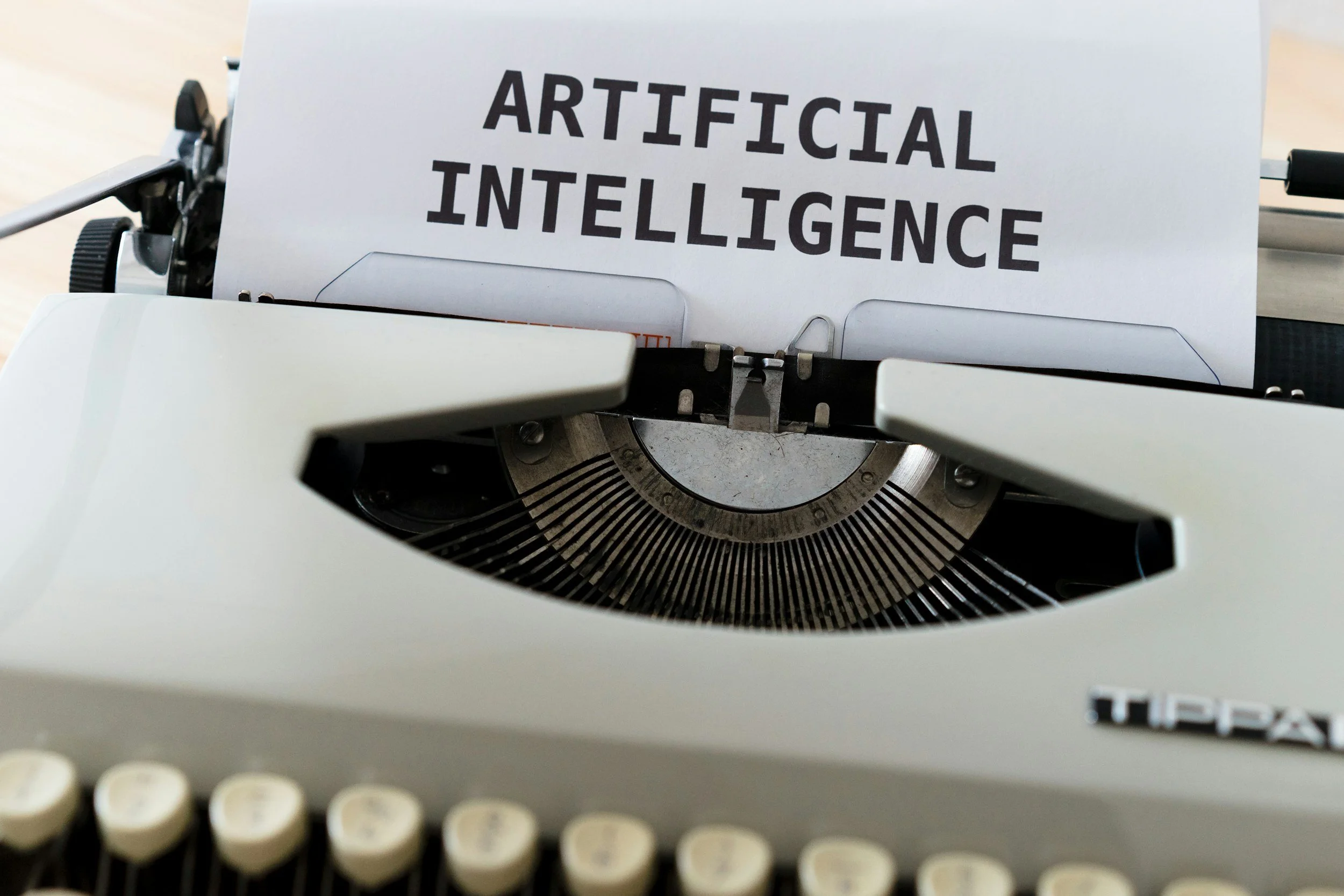
A legacy focus - the human - is still a team performance advantage
Summary
AI adoption is accelerating, but many leaders are seeing lower-than-expected productivity gains. Instead of creating momentum, AI is often generating more review, more rework, and more noise. This article explores why skipping human work design leads to “AI workslop,” how capacity becomes the missing link, and why optimizing how teams work together is essential before accelerating output.
In This Article
Why AI productivity gains are falling short
What “AI-generated workslop” signals about team design
How human capacity determines AI effectiveness
Why teams feel slower despite producing more
Why a human-first approach inside teams improves performance
When AI Slows Teams Down: Why Productivity Suffers When the Human Is Skipped
AI was supposed to make work easier.
Faster execution. Cleaner output. Less friction.
Yet many leaders are experiencing the opposite.
More content.
More reviewing.
More clarifying.
And less real progress.
A recent Harvard Business Review article describes this growing issue as AI-generated workslop — a surge of low-quality output that looks productive on the surface but quietly slows teams down.
The issue isn’t AI itself.
It’s what happens when organizations adopt powerful tools without first designing how humans will use them.
What “Workslop” Is Really Telling Us
AI-generated workslop isn’t about poor prompts or immature technology.
It’s a signal of deeper breakdowns:
unclear expectations
misaligned effort
weak decision filters
teams already operating at full capacity
When AI is layered onto work that isn’t intentionally designed, it doesn’t reduce effort — it amplifies inefficiency.
Teams spend more time reviewing, correcting, and debating output that never should have been produced. What looks like speed becomes drag.
Why AI’s Productivity Gains Are Falling Short
Many organizations assumed AI would improve productivity automatically.
But productivity doesn’t come from volume.
It comes from effective effort.
When teams haven’t aligned on:
what good work looks like
who decides what moves forward
where human judgment matters most
AI fills the gaps with more output — not better outcomes.
That’s why returns feel lower than expected. AI accelerates execution, but it cannot correct poor work design.
The Human Is the System AI Depends On
AI doesn’t operate on its own. It works inside human systems — meetings, workflows, communication norms, and decision-making habits.
If those systems are overloaded or unclear, AI doesn’t fix them. It speeds them up.
That’s why focusing on the human first isn’t optional — it’s foundational. Before asking “What can AI do for us?” leaders need to ask “How are our people expected to work?”
Why Teams Feel Slower, Not Faster
Executives often say:
“We’re producing more, but the return on our effort feels lower.”
That’s because capacity is being consumed by evaluation instead of progress.
More drafts create more decisions.
More options create hesitation.
Without clarity, momentum fades.
This isn’t an AI failure.
It’s a human capacity problem.
Why My Work Focuses on the Human First — Inside the Team
This is exactly why my work focuses on the human first, inside the team.
AI only delivers value when people have the clarity and capacity to use it well. Optimizing capacity means aligning effort before accelerating execution, so tools support progress instead of interrupting it.
When teams share a common way of thinking about work, AI becomes an asset, not a distraction.
Now What?
AI will continue to evolve.
The real question is whether leaders will design the human system first.
If your team feels busy but bogged down, it may not need a better AI strategy. It may need clearer work design, stronger shared understanding, and capacity that’s intentionally optimized — together.
Because productivity doesn’t come from more output.
It comes from well-directed human effort, supported by the right tools.
Discover how your team is doing by grabbing the work design check-in guide. In just under 10-minutes, you could learn how your team thinks they are doing.
Resource: HBR AI Generated “Workslop”