
The Human Advantage: Why AI Can’t Replace Leadership Presence
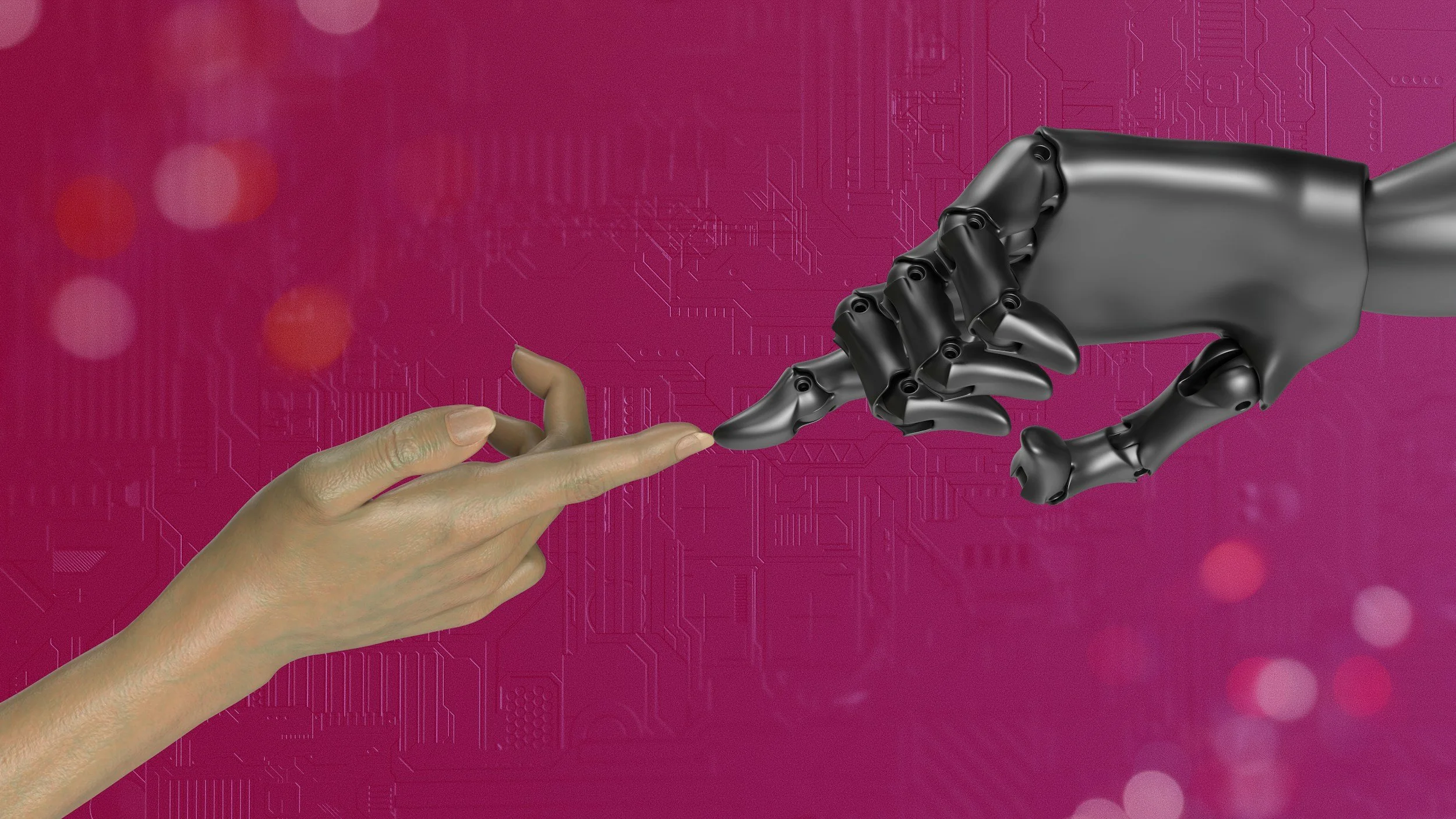
Executive leadership clarity in the age of AI
AI is advancing at a remarkable pace.
Tools are faster. Capabilities are broader. Promises are bigger.
And yet, many executives I speak with are experiencing something unexpected: AI fatigue.
Not skepticism.
Not resistance.
Fatigue.
The constant stream of new tools, updates, risks, and “must-adopt-now” narratives has created cognitive overload. Instead of accelerating progress, it’s causing leaders to slow down — not because AI lacks potential, but because leaders are human.
And that’s the point we’re missing.
AI Can Accelerate Work — But It Can’t Create Direction
AI excels at efficiency.
It can automate tasks, surface insights, and speed execution.
What it cannot do is replace:
leadership judgment
emotional steadiness
context awareness
decision accountability
presence with people
AI can optimize how work gets done.
Only humans decide what work matters — and when.
In my experience, the organizations getting the most value from AI aren’t the ones adopting the most tools. They’re the ones with leaders who are clear, grounded, and intentional about how AI fits into the work — not the other way around.
Why AI Fatigue Is Emerging at the Executive Level
Executives aren’t tired of AI.
They’re tired of the noise around AI.
Too many options.
Too many decisions.
Too many implications to evaluate at once.
This creates decision fatigue, not innovation.
When leaders are cognitively overloaded, they:
delay adoption
second-guess decisions
over-rely on pilots that never scale
or push adoption onto teams without clarity
That’s not a technology failure.
It’s a leadership capacity signal.
Leadership Presence Is the Real Differentiator
In times of rapid change, teams don’t look to tools for reassurance.
They look to leaders.
Leadership presence — calm, clarity, and consistency — becomes the anchor.
AI can’t:
read the room
sense morale shifts
regulate urgency
model steadiness
or create psychological safety
When leaders lose presence, teams feel whiplash.
When leaders stay grounded, teams adapt faster — even amid disruption.
This is why the future of leadership isn’t about outpacing AI.
It’s about outleading the chaos AI can introduce.
Why the Human Still Matters Most (Without Competing With AI)
This isn’t an “AI vs. human” argument.
It’s a both-and reality.
AI augments execution.
Humans provide meaning, judgment, and direction.
The strongest leaders don’t ask,
“How fast can we adopt AI?”
They ask,
“Where does AI genuinely improve the work — without exhausting the people doing it?”
That question requires:
clarity of effort
capacity to think beyond urgency
emotional steadiness
and leadership discipline
These are human skills.
And they’re becoming more valuable, not less.
What This Means for Leaders Right Now
If AI conversations feel heavy, overwhelming, or stalled in your organization, it may not be a strategy issue.
It may be a signal that:
leaders need more cognitive space
teams need clearer direction
effort needs to be better allocated
and the human system supporting the work needs attention
AI will keep evolving.
The human operating system must evolve with it.
Now What?
If AI conversations feel heavy right now, that’s not a sign you’re behind — it’s a signal that leadership itself is changing. The next advantage won’t come from adopting more tools, but from thinking more clearly about how effort, attention, and leadership presence shape the work ahead.
That’s what my book, Capacity: The New Advantage, is designed to support. It helps leaders step back from the noise and think about leadership in a future-focused way — where human judgment, clarity, and direction remain essential, even as technology accelerates.
Because AI can support the work — but leadership still determines where the work goes.